The Shimmer Doctrine: How Sparkle Became America's Favorite Love Language
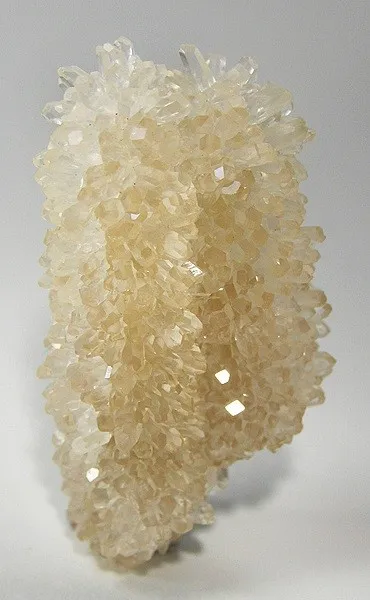
Photo: Robert M. Lavinsky, CC BY-SA 3.0, via Wikimedia Commons
Somewhere between the flip phone revival and the return of butterfly clips, America made a decision: everything is better with sparkle. Not some things. Everything. Your coffee. Your dog. Your Tuesday-night selfie that has no business being decorated. We have collectively decided that reality, as captured on camera, could use a little shimmer — and honestly, who can argue?
But how did we get here? And more importantly, why doesn't the glitter appear to be fading?
A Brief History of the Shimmer Economy
Glitter has always been part of the American visual diet — think Vegas marquees, disco balls, and every middle school craft project from Maine to California. But social media gave it a promotion. When Instagram filters arrived, they didn't just smooth skin; they taught an entire generation that a photo is a draft, not a finished product. The sparkle effect was the natural next step: a way to add emotion that the camera couldn't capture.
Then the Y2K nostalgia wave hit. Millennials, now holding the purchasing power and the Instagram accounts, looked back fondly on an era of lip gloss, low-rise jeans, and unironic glitter. Gen Z, never one to let millennials have a moment, claimed it as their own and rebranded it 'glittercore' — an entire aesthetic built on shimmer, iridescence, and the unapologetic joy of decorating things for no reason.
The Psychology of the Sparkle
Here's the part that should surprise absolutely no one: humans are wired to notice shine. Our brains evolved to track glinting light — it's why we can't look away from water, fire, or a sequined dress at a wedding. Researchers who study visual attention have long noted that high-contrast, luminous elements pull the eye faster than almost anything else.
Translation for the social media age: sparkle gets noticed. In a feed where the average post gets a glance measured in fractions of a second, a glitter effect is a visual air horn. It says 'look here' in a language older than words.
But the psychology goes deeper than attention-grabbing. Sparkle effects also signal effort and playfulness. A glittered photo tells your followers, 'I didn't just document this moment — I celebrated it.' In a digital culture often criticized for curated perfection, deliberately decorative photos feel refreshingly honest. Nobody's pretending the sparkles were really there. That's the charm. It's whimsy, worn openly.
More Than a Fad: Sparkle as Self-Expression
The cynical take is that glitter effects are a passing trend, destined for the same attic as the fisheye lens. We respectfully disagree — loudly, with confetti.
Photo decoration is one of the oldest forms of self-expression we have. Long before apps, people framed their photos in fancy borders, scrapbooked with stickers, and added handwritten flourishes to family albums. The sparkle effect is simply the digital descendant of the sticker sheet. It's a folk art that lives in your pocket.
What's changed is accessibility. A decade ago, adding decorative effects meant desktop software and a free afternoon. Today, anyone can turn a snapshot of their morning bagel into a shimmering masterpiece in under a minute. When a creative tool becomes that easy, it stops being a trend and starts being a habit.
There's also a cultural current worth noting: we're living through a period where 'small joys' have become a survival strategy. Decorating a photo — even pointlessly, even just because — is a tiny act of optimism. It says the moment mattered enough to make it beautiful. That impulse isn't going anywhere.
The Glitter Mindset
So what does the future hold? Expect sparkle effects to get smarter and more seamless — subtle shimmer that follows light sources, glitter that responds to motion in video, effects tuned to your photo's colors automatically. The tools will evolve. The impulse won't.
At the end of the day, the glitter aesthetic endures because it answers a simple human question: why post a plain photo when you can post a happy one? America looked at its camera roll, looked at a jar of metaphorical glitter, and chose joy.
We, for one, think that's the most American thing of all.