Casserole Cameo: The Slow Cooker Photo Deserves Its Close-Up
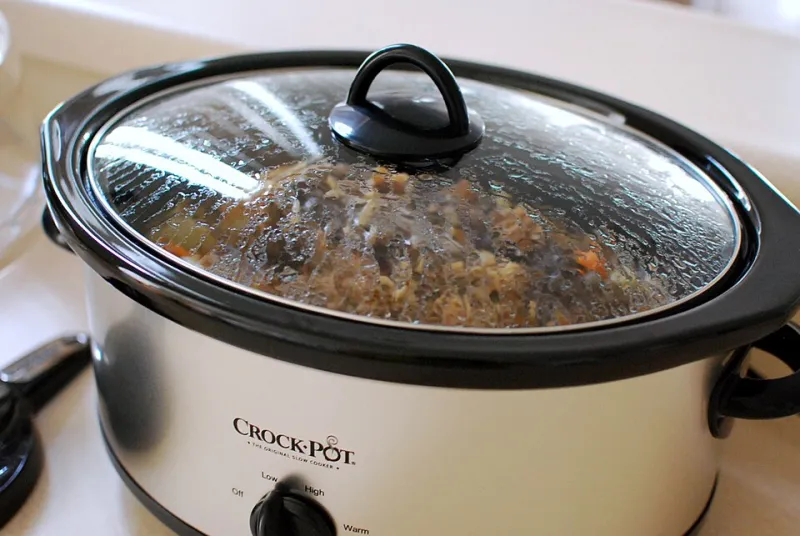
Photo: Janine from Mililani, Hawaii, United States, CC BY 2.0, via Wikimedia Commons
Every Sunday afternoon, a quiet revolution happens on American Facebook feeds. It doesn't involve politics, pets in costumes, or even grandbabies. It involves a 6-quart slow cooker, a can of cream of mushroom soup, and a photo taken from approximately 14 inches above a kitchen counter in Ohio.
We're talking, of course, about the great American recipe post. And frankly, we think it's been under-served by the photo-editing world for far too long.
The Unsung Artists of the Internet
Let's give credit where it's due: the food bloggers, church cookbook contributors, and potluck enthusiasts of America are the internet's most prolific photographers. Nobody shoots more content. Nobody posts with more consistency. And nobody — and we mean nobody — captions a photo with more confidence than a woman named Linda who has just finished her third batch of Mississippi pot roast this month.
These photos have a very specific aesthetic. Overhead angle. Fluorescent kitchen lighting. A slow cooker liner peeking out at the edge of the frame. Sometimes a thumb, sometimes not. It's a genre as distinct and recognizable as any film movement, and it deserves the same respect we give to, say, a sunset pic from Sedona.
Which brings us to our thesis: the casserole deserves a garnish. Not in the food sense — the parsley sprig has done enough — but in the pixel sense.
Why Glitter and Gravy Actually Work
Here's the thing about food photos on social media: they're competing with everything. Your slow cooker chicken and dumplings is sitting in the same feed as a celebrity breakup, a viral dance, and someone's cousin's boat. It needs something to stop the scroll.
A well-placed sparkle does exactly that. Think about it — glitter is literally designed to catch the eye. A soft shimmer around the steam rising off a fresh pot of beef stew? That's not extra. That's editorial. That's saying, "Yes, this took eight hours on low, and yes, it deserves to be celebrated."
The key is restraint. We call it the garnish rule: your glitter should be like the paprika you dust on deviled eggs. Noticeable, intentional, and absolutely not the main event.
The Three Commandments of the Sparkled Recipe Post
One: Sparkle the steam, not the food. A glitter accent along the wisps rising from your chili con carne reads as warmth and coziness. Glitter directly on the cheese? That reads as a health code violation.
Two: Match your shimmer to your dish. Golden sparkles for anything involving butter (so, everything). Warm champagne tones for the holiday ham. A cool silver shimmer for that viral frozen ravioli bake — because if you're not making it from scratch, at least the edit can be artisanal.
Three: Know your audience. The church group chat? Tasteful twinkle, maybe a subtle glow around the corner of the pie. The group thread where your cousins already roast you for the crockpot liner? Go big. Confetti cannon the whole thing. You've earned it.
A Brief History of Shine and Supper
This isn't even a new impulse. Americans have been decorating their food photography since the Jell-O mold era — those 1960s and '70s masterpieces were garnished within an inch of their lives, with olives, whipped cream, and occasionally shredded carrots arranged in patterns that can only be described as aspirational.
Our grandmothers were doing maximalist food styling before it was a hashtag. The glitter edit is simply the digital continuation of a proud tradition: if you made something with love, you made it shine.
The Verdict
The next time you pull that pork shoulder or whip up a batch of crack chicken, pause before you post. Take the photo — thumb optional — and give it a second of sparkle. A shimmer here, a twinkle there. Your recipe will still taste the same, but your engagement won't.
Because in a feed full of beige casseroles and fluorescent lighting, the sparkly one is getting the comments. And Linda deserves nothing less.