Ribbons, Zucchini, and Pixel Dust: A Sparkle Defense of the County Fair Entry
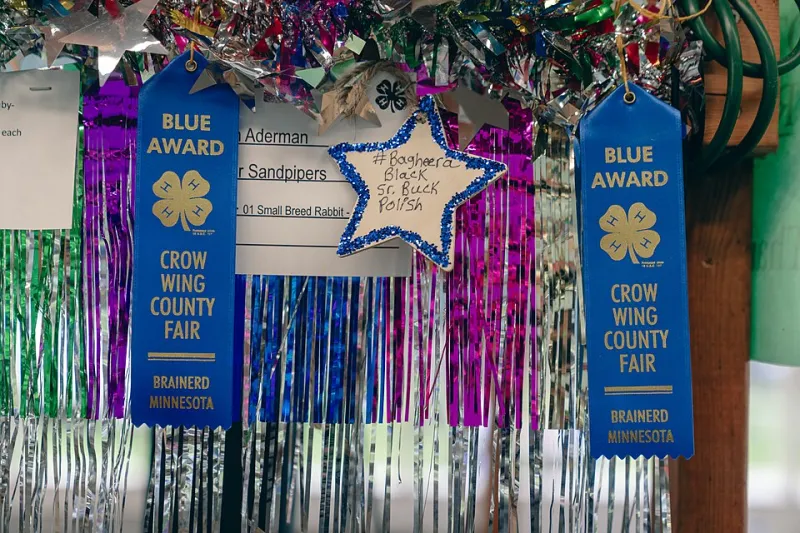
Photo: Lorie Shaull, CC BY 2.0, via Wikimedia Commons
The county fair is one of America's great unglamorous wonders. It is a place where a teenager can win a ribbon for a quilt, a retiree can dominate the pickle category, and a pumpkin the size of a riding mower can become a local celebrity. Yet the photos from these events often look like they were taken on a flip phone that was also holding a corn dog. The lighting is fluorescent. The subjects are behind glass. Someone's thumb is in the corner. The blue ribbon is visible if you squint.
That is exactly why the county fair entry deserves a glitter edit. Not because it needs to look fancy. Because it deserves to look celebrated. A little pixel dust can honor the hours of work behind a jar of canned peaches or a hand-knit sweater without turning the whole thing into a joke. The trick is knowing where the sparkle belongs.
The Fair Photo Is an American Artifact
The county fair photo is a specific genre. It usually includes at least one of the following: a handwritten entry tag, a folding table covered in a plastic tablecloth, a display case with a reflection of the photographer's entire body, and a prize-winning vegetable that looks deeply unimpressed to be there. These photos are not polished. They are not styled. They are proof. Proof that someone made something, entered something, and waited nervously for a judge to stick a ribbon on it.
That makes them worth editing with care. The goal is not to make the fair look like a luxury brand campaign. The goal is to make the small-town pride come through the screen. A gentle glow, a few well-placed sparkles, and a slightly brighter exposure can do more for a 4-H entry than any fancy filter.
The Sparkle Rankings
Not every fair category is equally sparkle-ready. Here is a highly unscientific ranking of the most deserving entries.
1. 4-H Crafts and Quilts
This is the top tier. Quilts have texture, pattern, and a story. Handmade crafts have edges, shadows, and personality. A little sparkle along the stitching or the edge of a display board makes the work look as painstaking as it is. This is where glitter feels like applause.
2. Canned Goods and Jams
Glass jars are natural sparkle magnets. The light catches the lids, the ribbons, and the little labels. Add a soft glint to the jar rims and a tiny shimmer near the ribbon, and suddenly that jar of bread-and-butter pickles looks like it belongs in a boutique pantry. Do not overdo it. Canned peaches should still look edible, not like a candle.
3. Floral Arrangements
Flowers already know how to sparkle. A fair floral entry is basically begging for a little extra glow around the petals and a gentle highlight on the vase. This is the category where you can be a bit more generous with the glitter, because flowers and sparkle have been in a committed relationship for centuries.
4. Giant Produce
This is a tricky category. A prize-winning pumpkin or a zucchini the size of a canoe deserves respect. It does not deserve a full glitter explosion. Use restraint. Add a small sparkle near the ribbon or the entry tag, not on the vegetable itself. A blue-ribbon tomato should still look like a tomato. The moment you add a glitter halo to a tomato, you have crossed from celebration into comedy.
5. Baked Goods and Pies
Baked goods are photogenic, but they are also vulnerable. A glitter edit should highlight the golden crust and the perfect lattice, not make the pie look like it was dusted with craft supplies. Use warm light and a subtle shimmer around the plate. The pie is the star. The sparkle is the applause.
6. Livestock Ribbons and Show Photos
Livestock photos are full of movement, dust, and a teenager trying to keep a steer calm while a parent yells instructions. Here, sparkle should stay in the background—literally. A soft glow around the ribbon or the arena sign works. Do not glitter the animal. The animal has enough going on.
How to Glitter a Fair Entry Without Making It a Meme
The first rule is to respect the subject. A county fair entry is not a prop. It is a small, sincere act of participation. The person who entered the jam or the quilt or the pumpkin did it because they wanted to be part of something. The edit should honor that.
Use selective sparkles rather than a full-frame filter. Brighten the image gently so the entry tag is readable. Add a few glints to glass, metal, or water. If the photo was taken behind glass, lean into the reflection instead of trying to erase it completely. Crop out the thumb if you can. Leave the plastic tablecloth alone. It has seen things.
The Small-Town Pride Angle
The county fair is not about perfection. It is about showing up. It is about the kid who spent all summer with a goat, the grandmother who has been perfecting her blackberry jam since 1987, and the guy who grows pumpkins as a form of friendly warfare. A sparkle edit is a small way of saying: I see the work. I see the ribbon. I see the folding table.
So yes, give the fair entry a little pixel dust. Just keep the tomato looking like a tomato. That is the balance. That is the whole game. And if the photo still has a corn dog in the background, consider it a bonus.